CAMBODIA
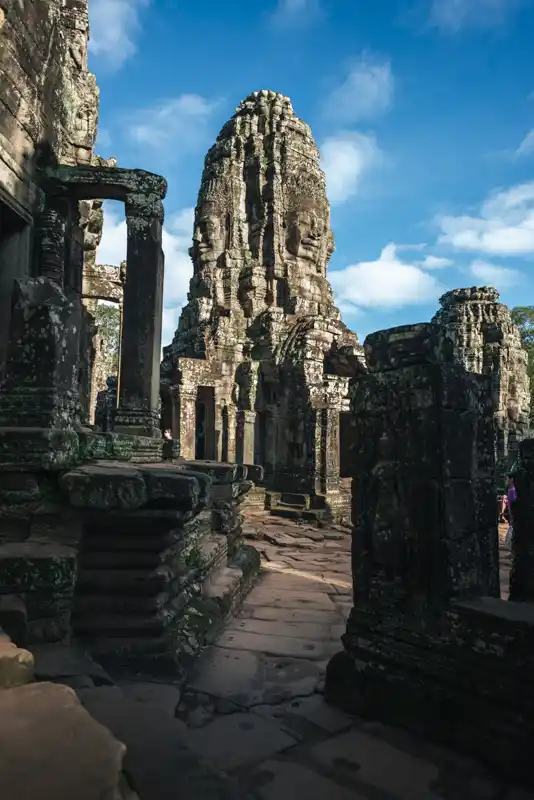
I traveled to Cambodia in 2014 expecting to explore more than just the temples of Angkor — I wanted to understand the cultural legacy left behind by a country shaken by the Khmer Rouge regime and the conflicts with Vietnam that followed, and above all, to look into the social scars of its recent history.
I crossed the country from north to south, from Siem Reap to Kep — nearly a month on the road, one village after another, and by the end, I was running on empty.
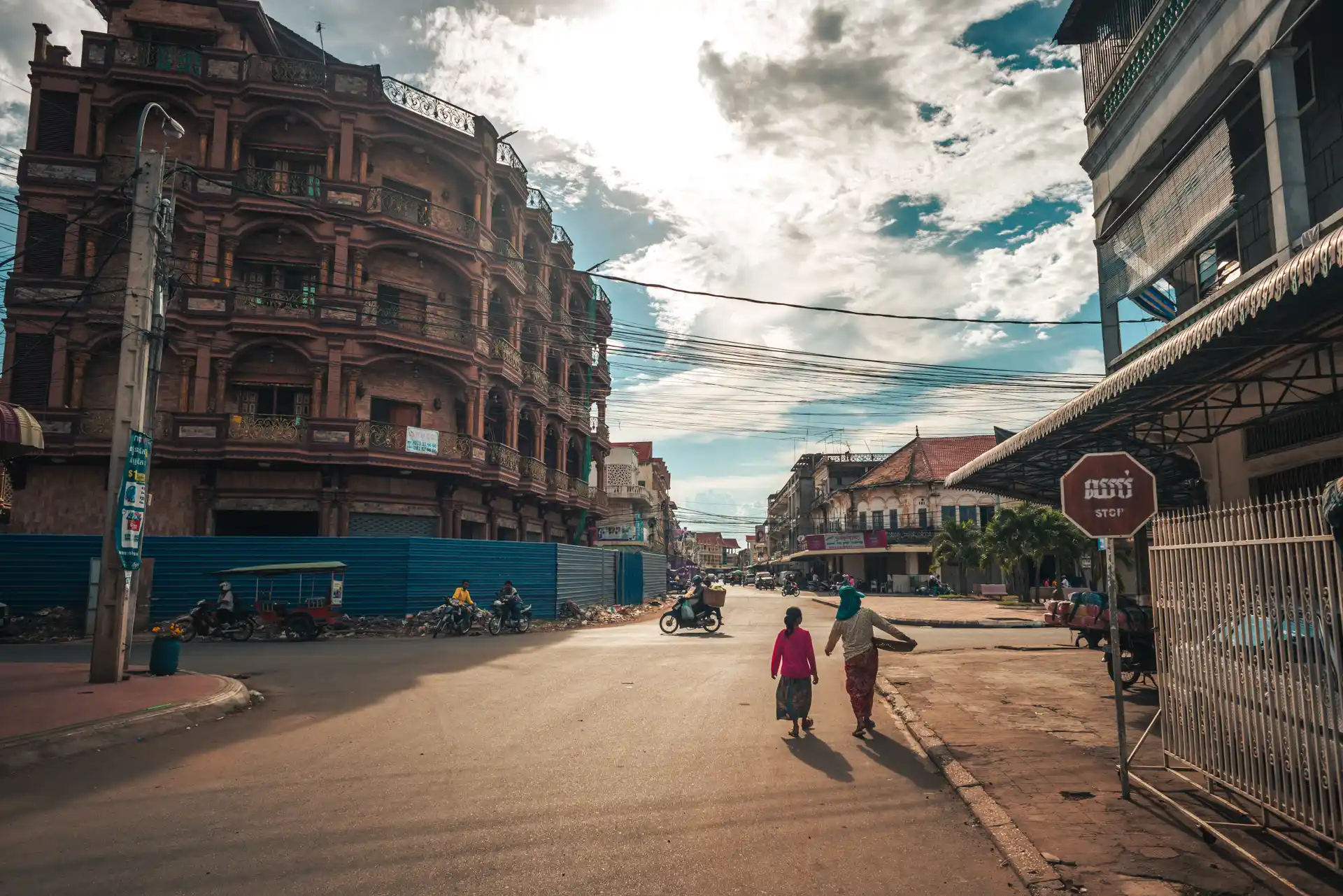
A STRIKING MIX
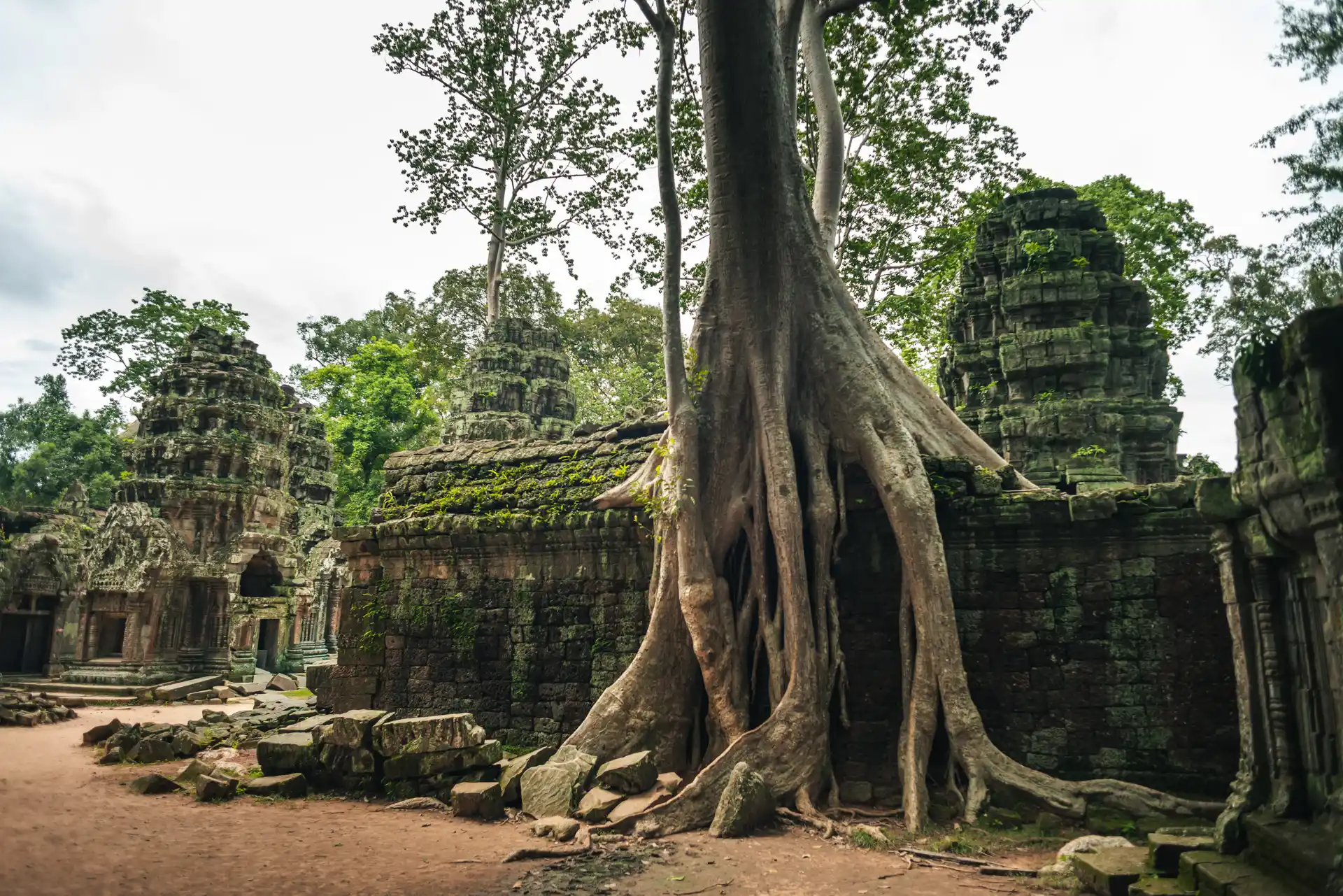
The towns and villages still carried traces of French colonial architecture — worn down, sometimes half in ruins, as if the apocalypse arrives sooner in some places, and survivors hold on to life however they can.
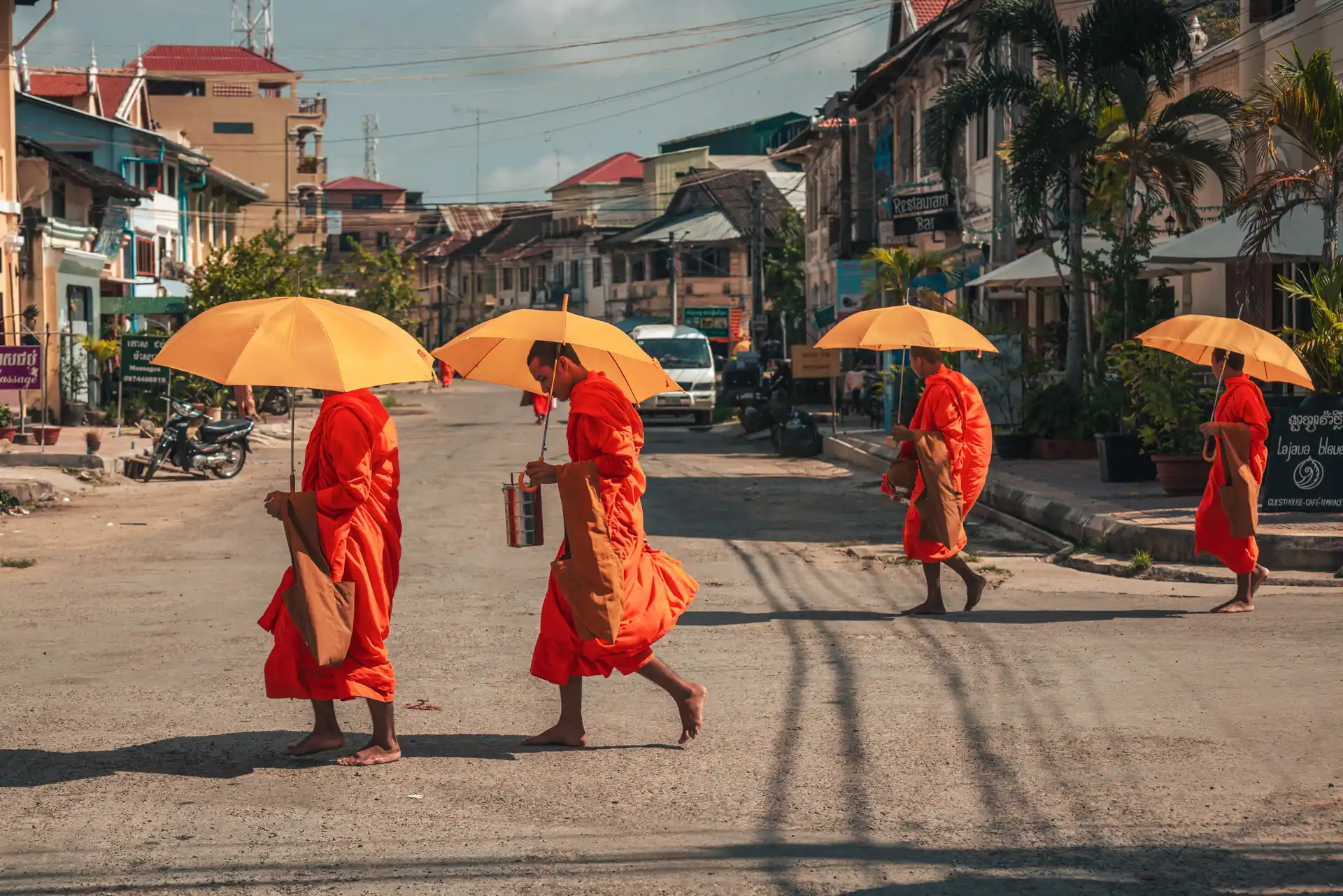
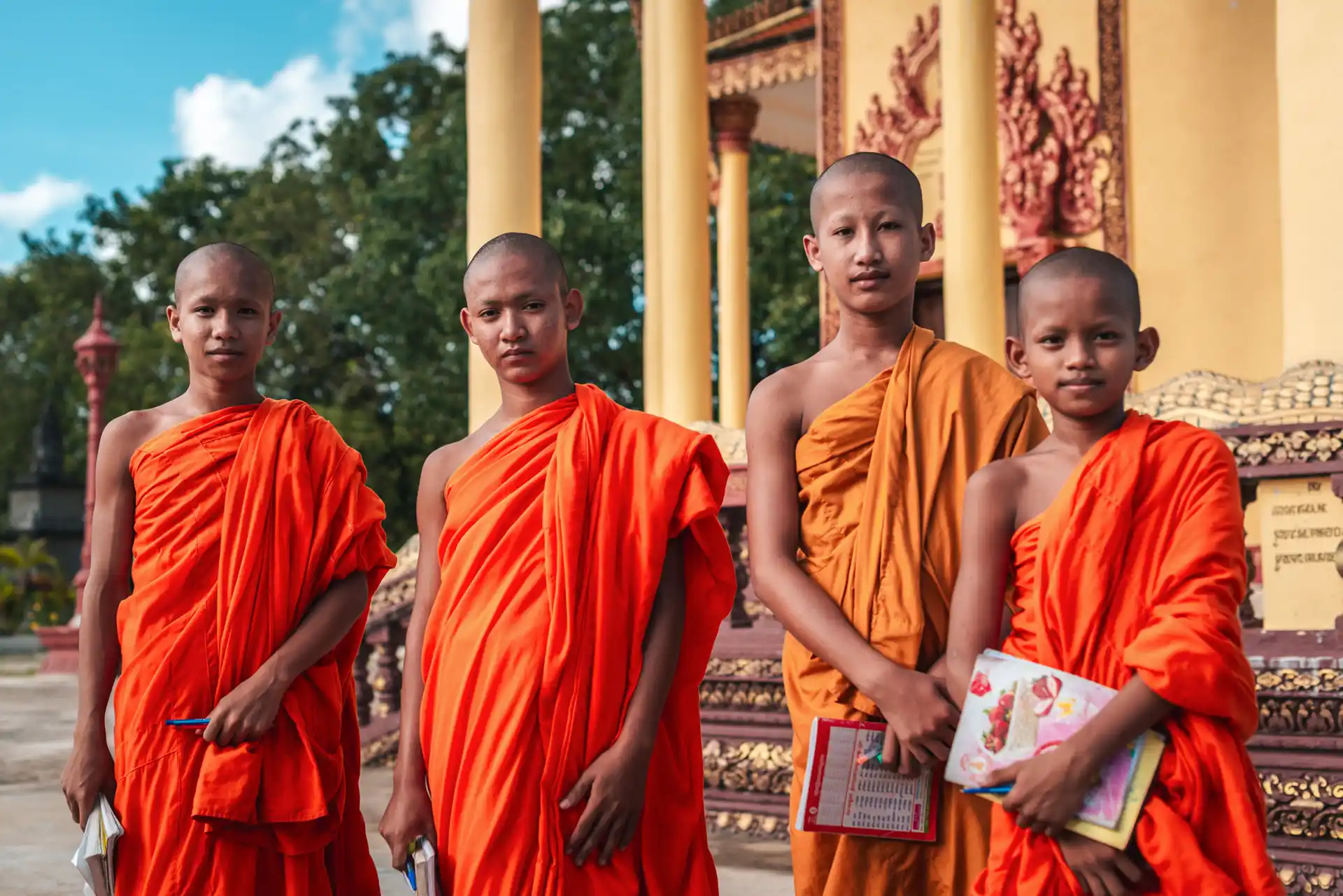
Every morning, a procession of monks flooded the streets at dawn, asking for alms, for food. Street vendors sold things we’d never eat back home — and that I ended up trying anyway, simply because there was nothing else. Children working, helping out in their families’ businesses, or heading off on their own to sell whatever they could.
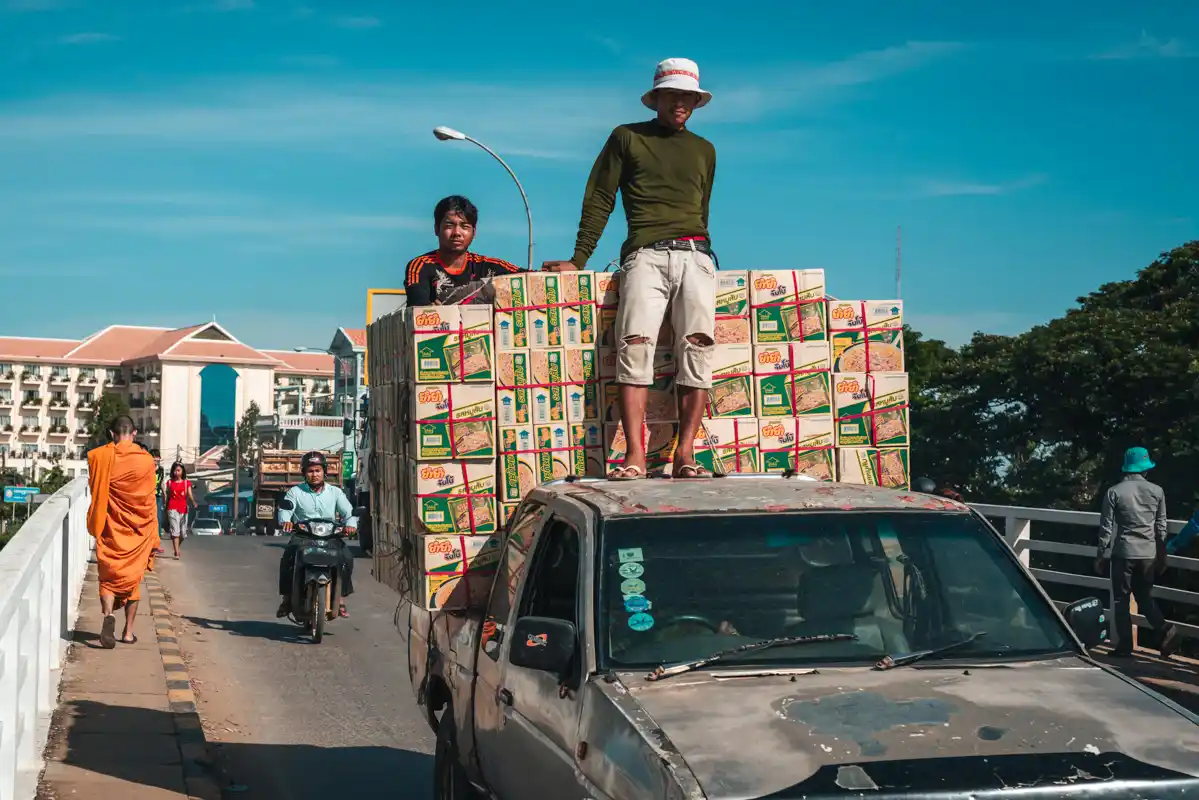
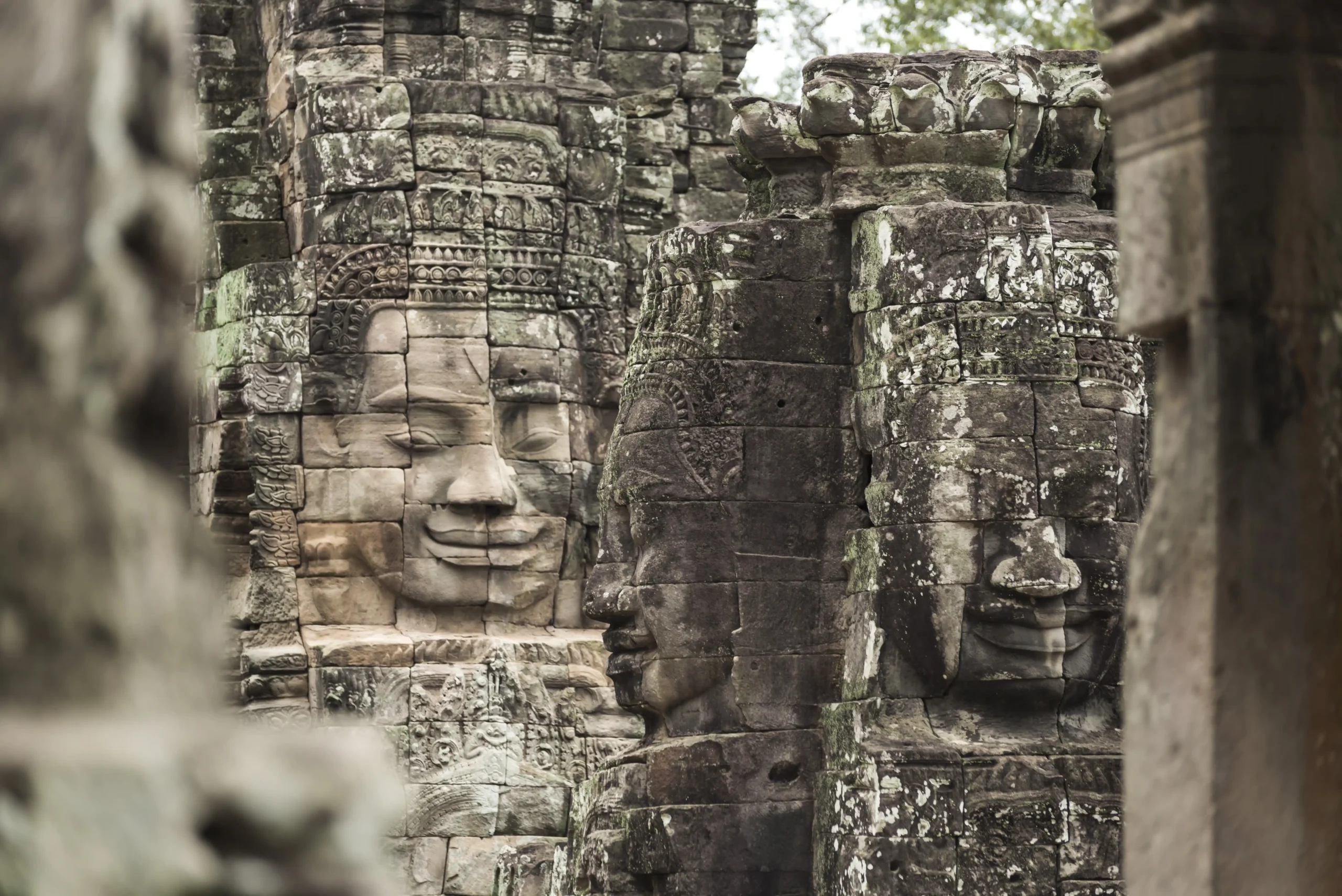
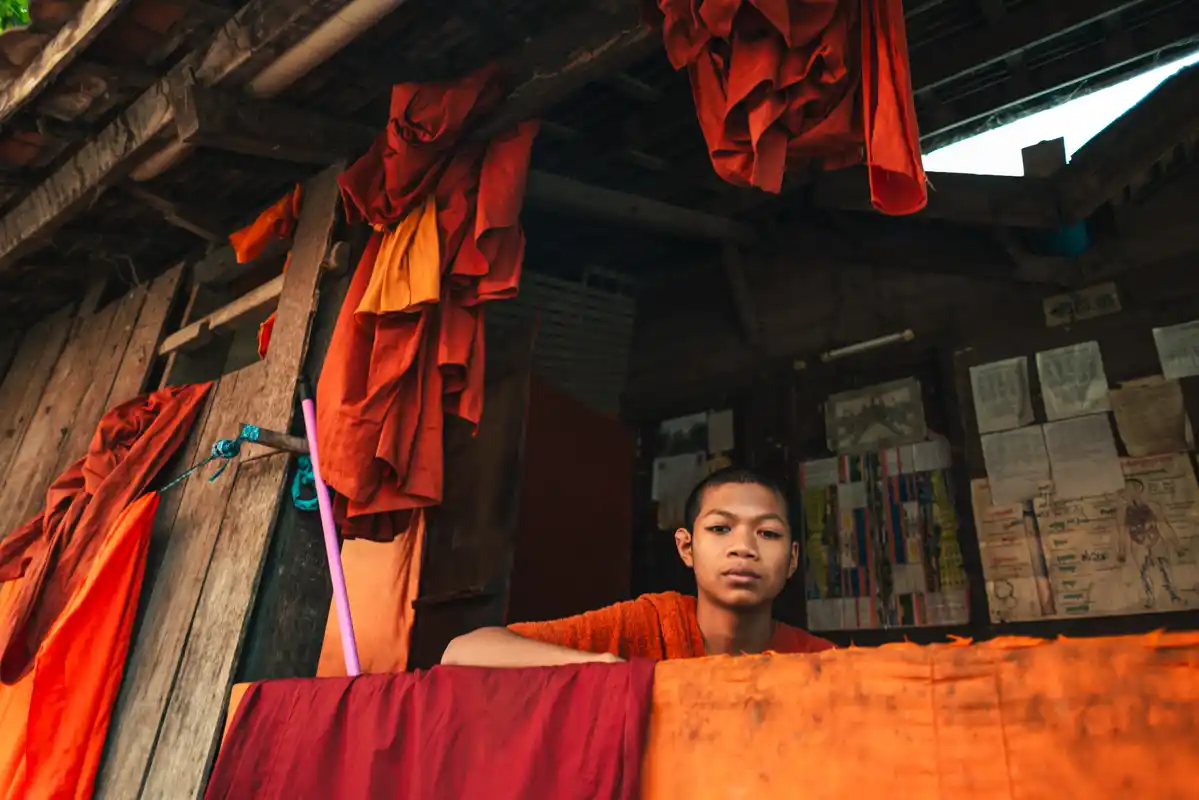
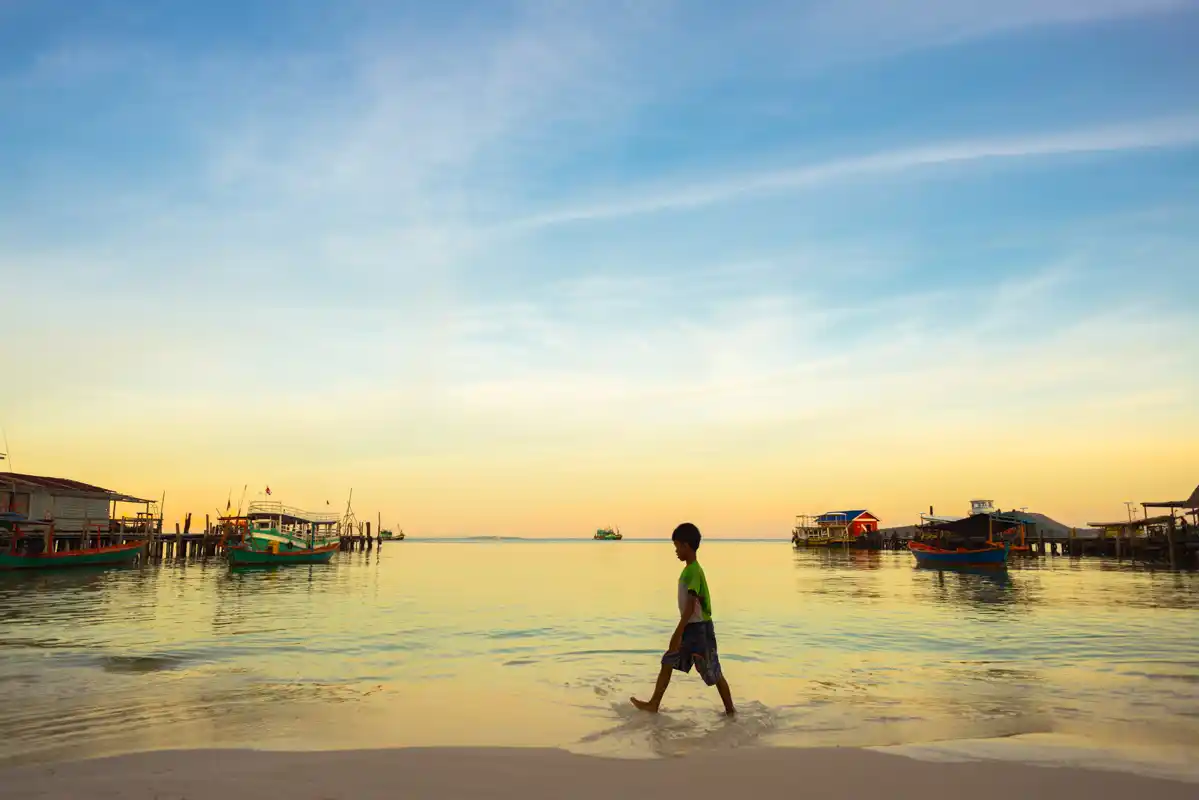
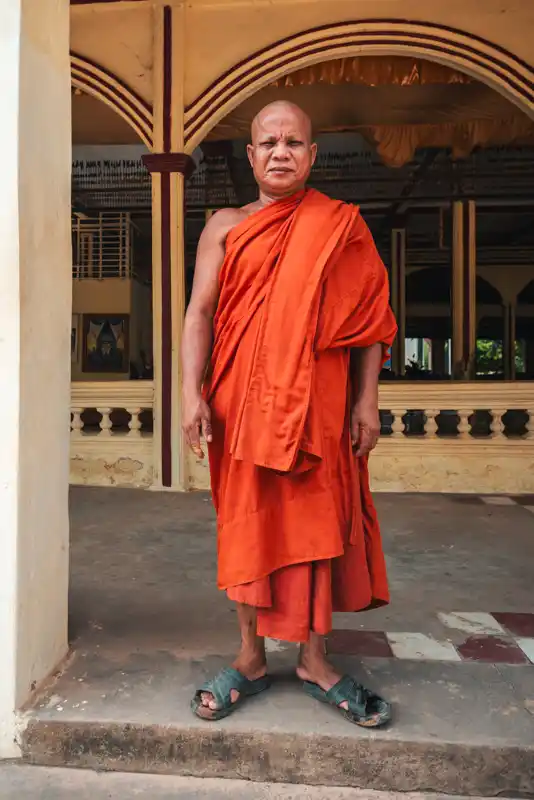
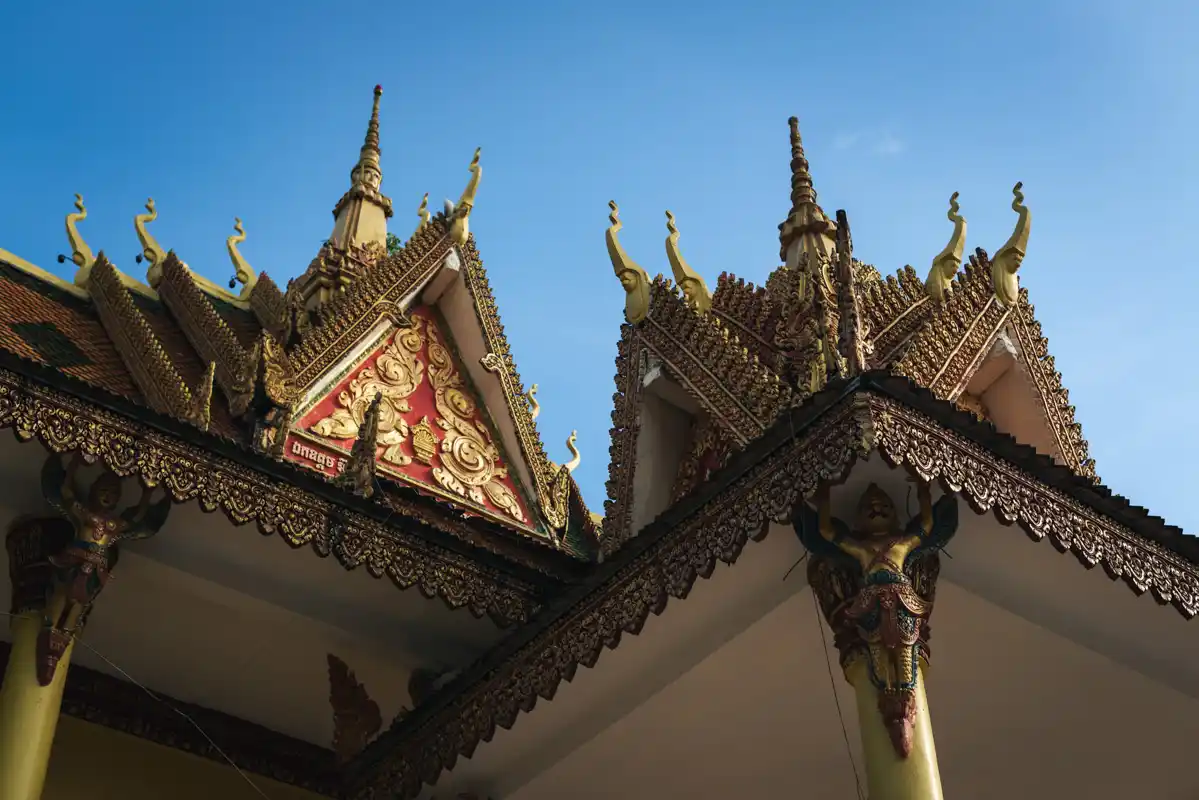
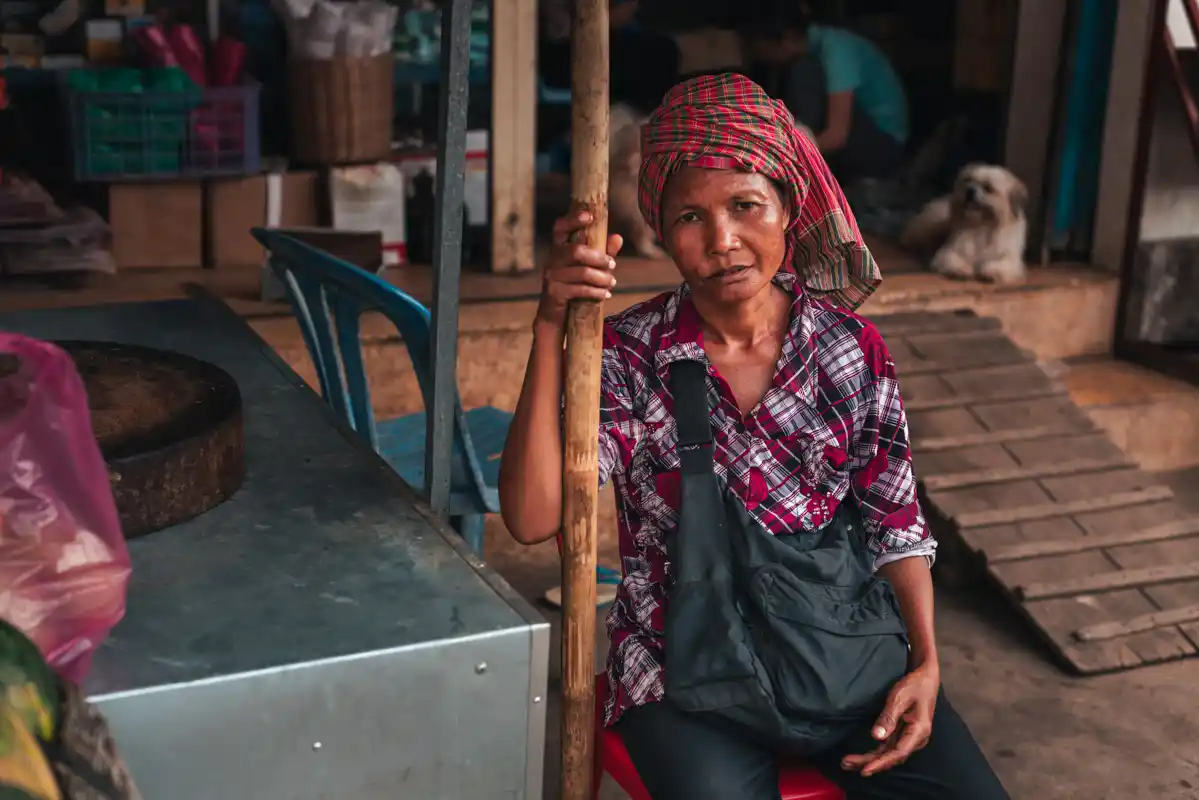
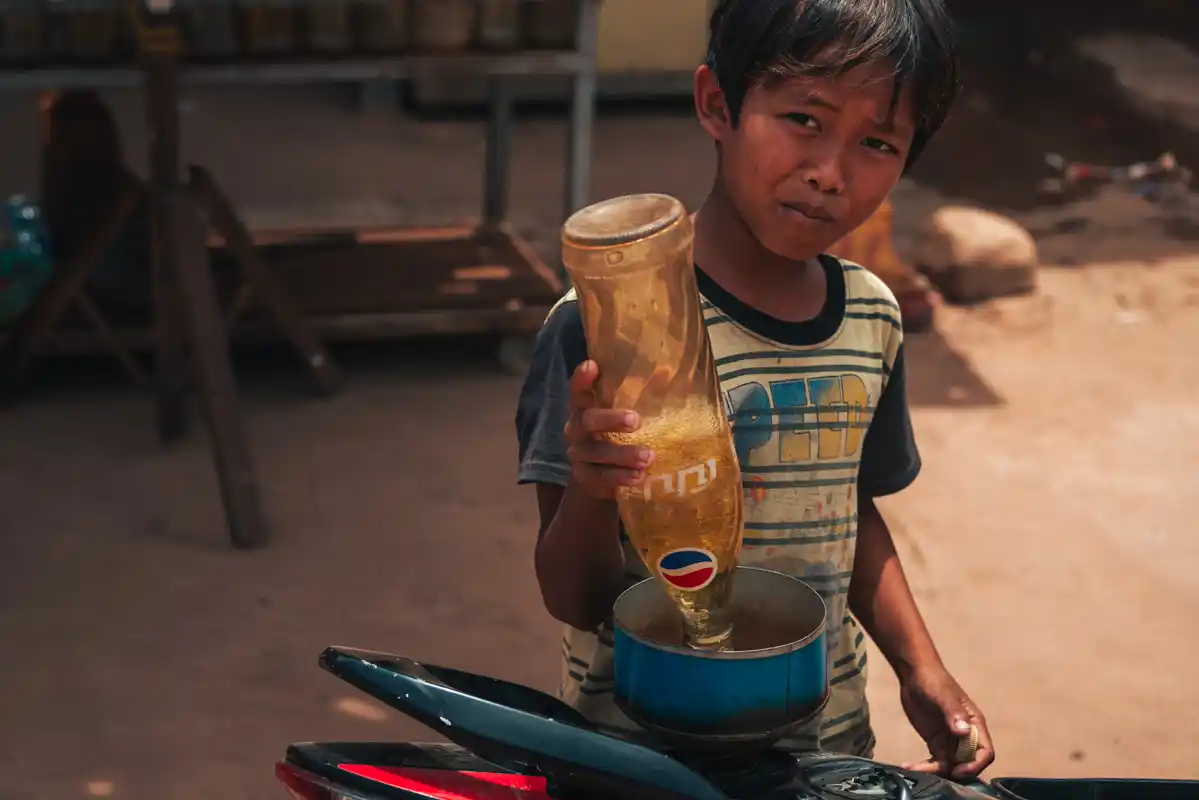
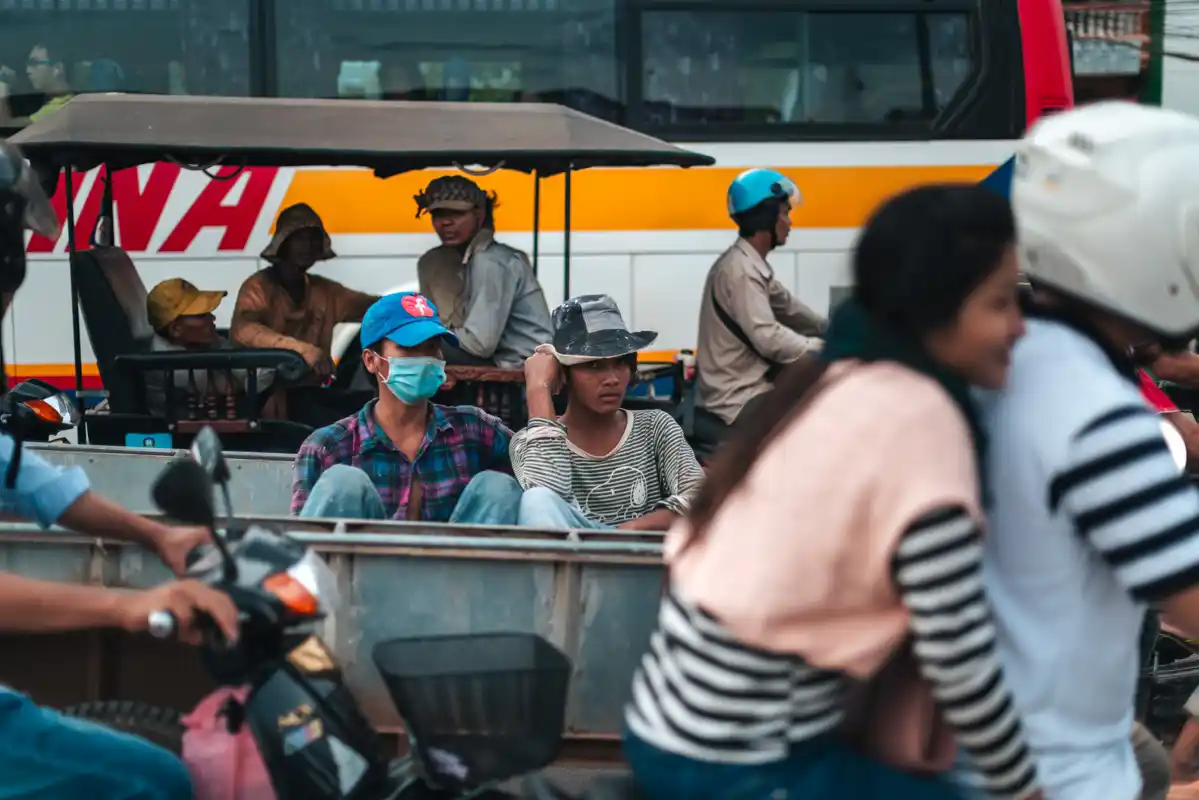
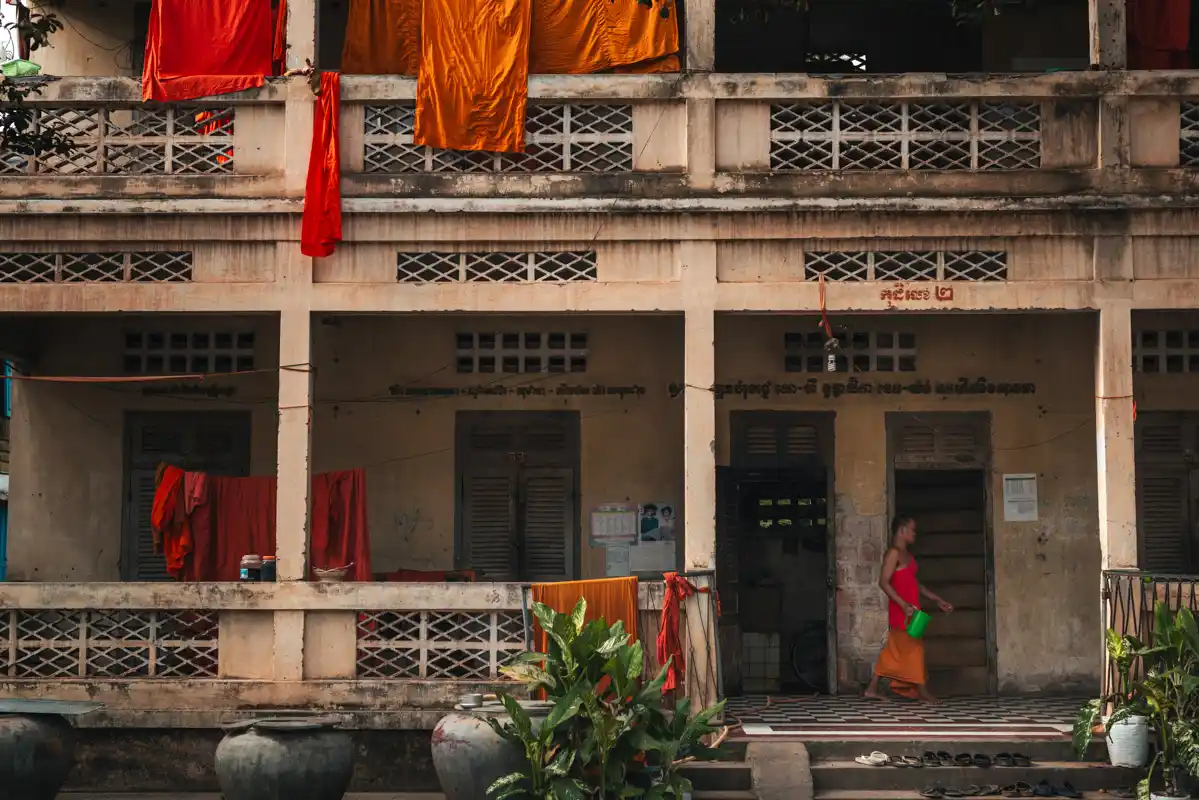
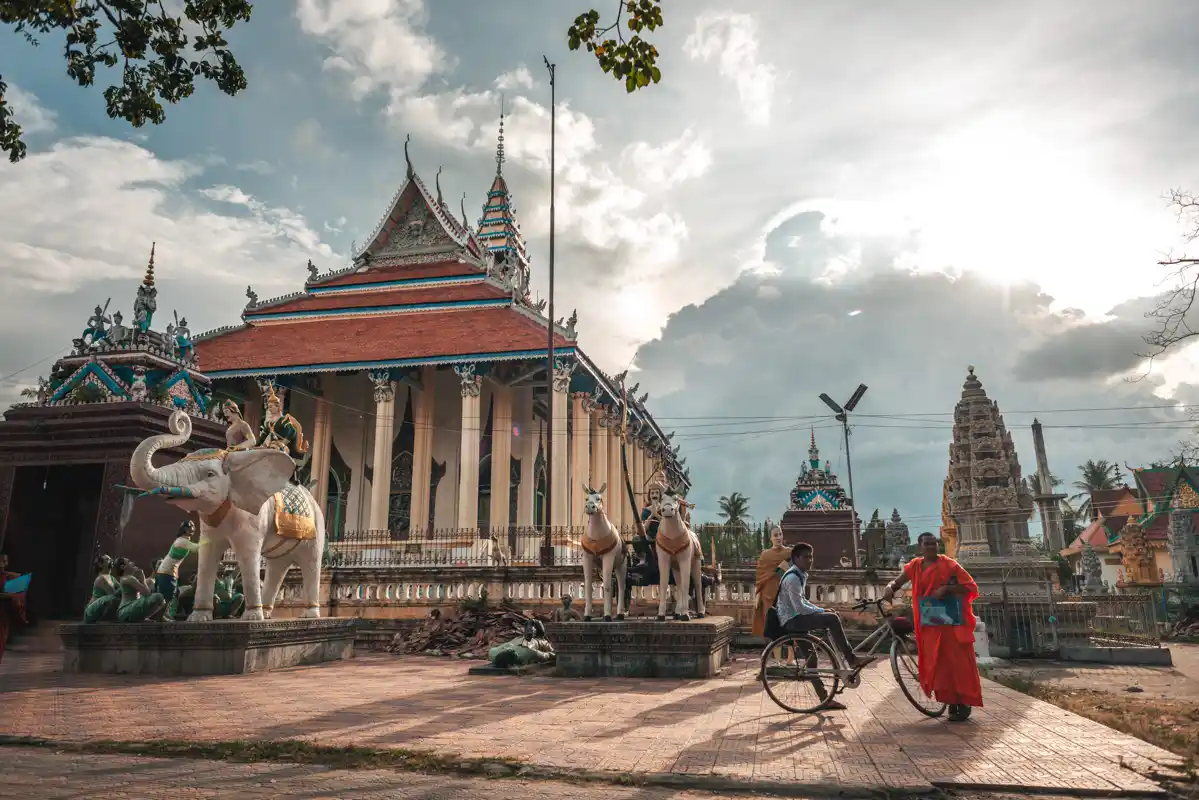
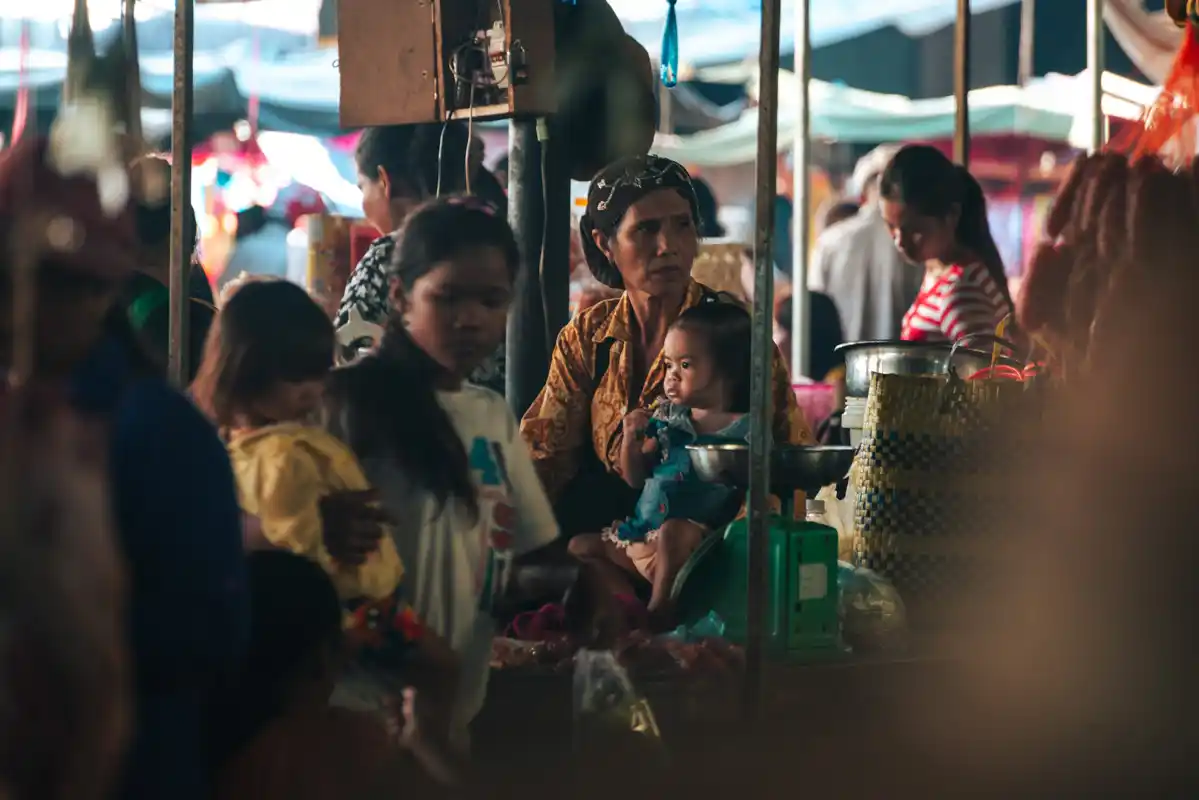
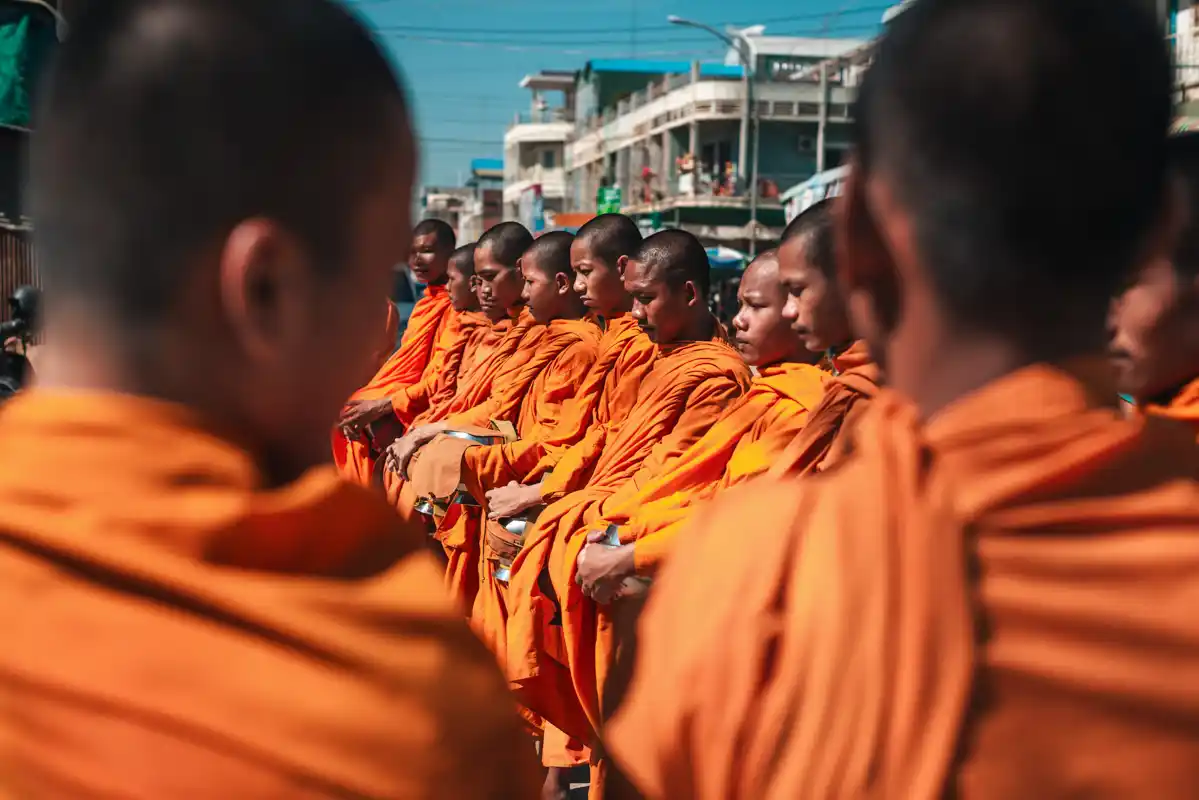
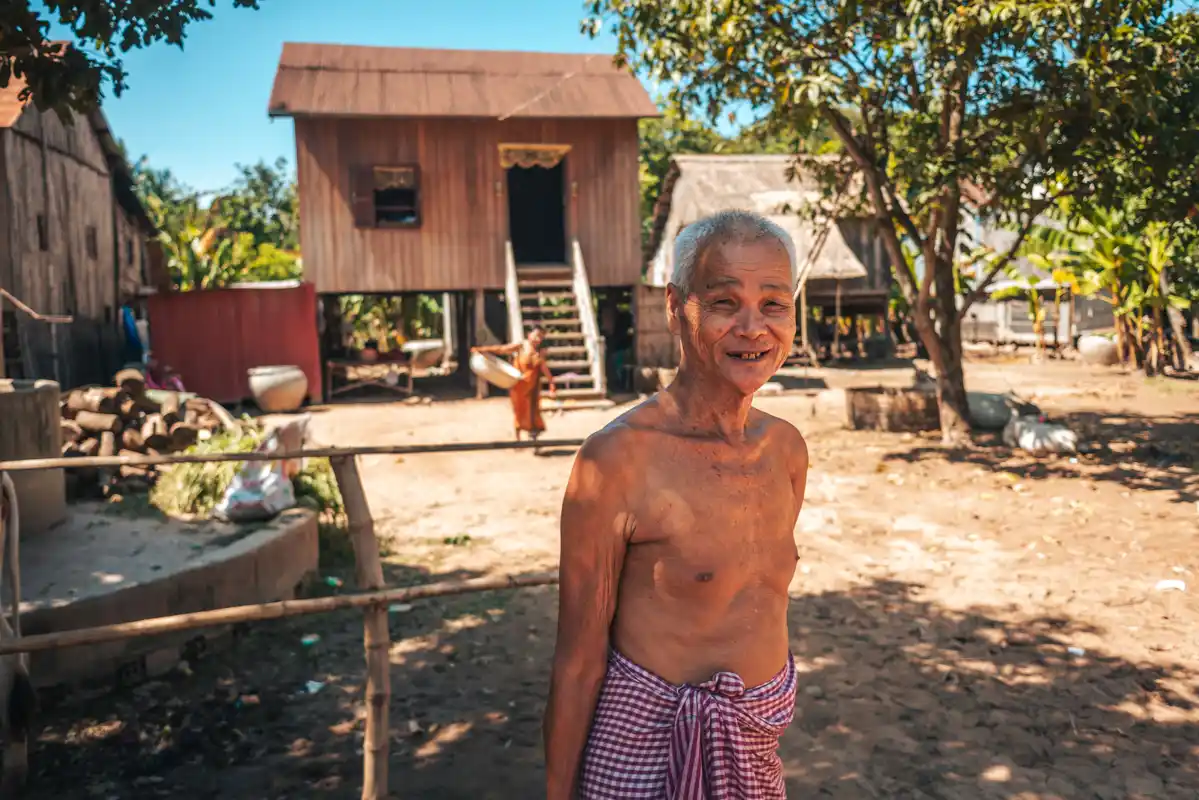
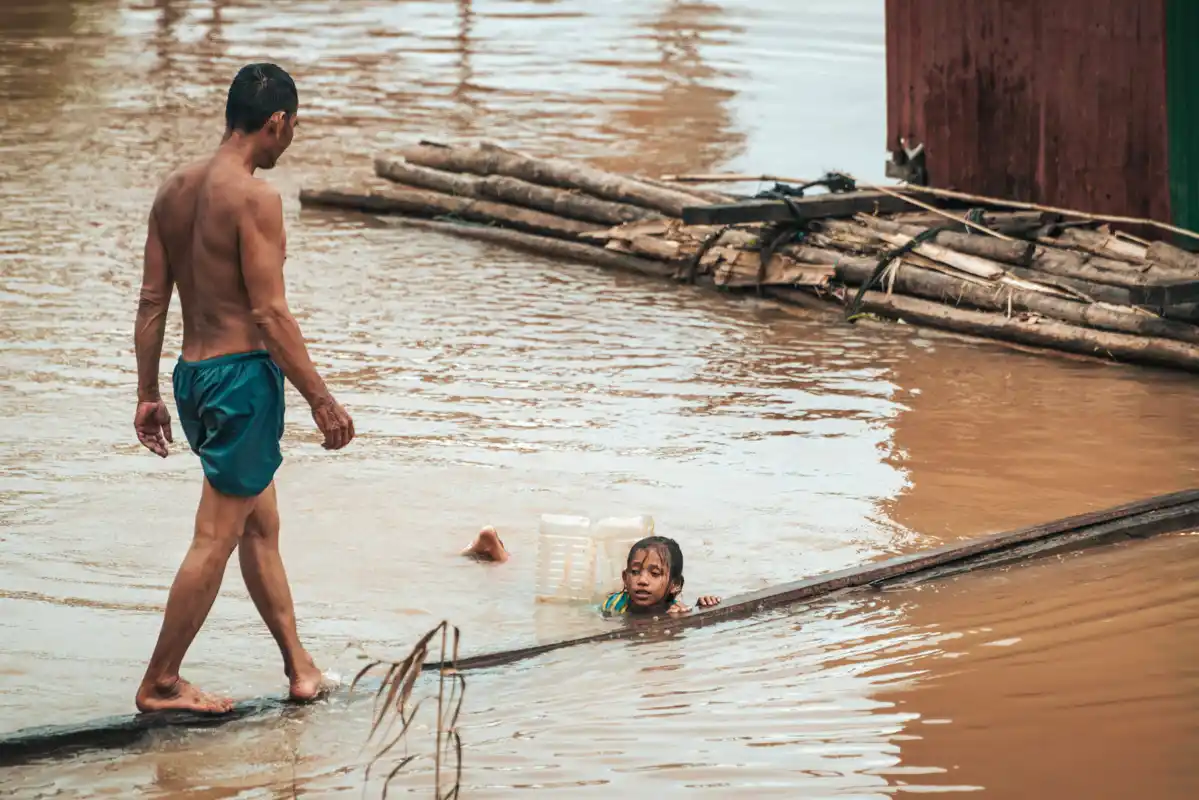
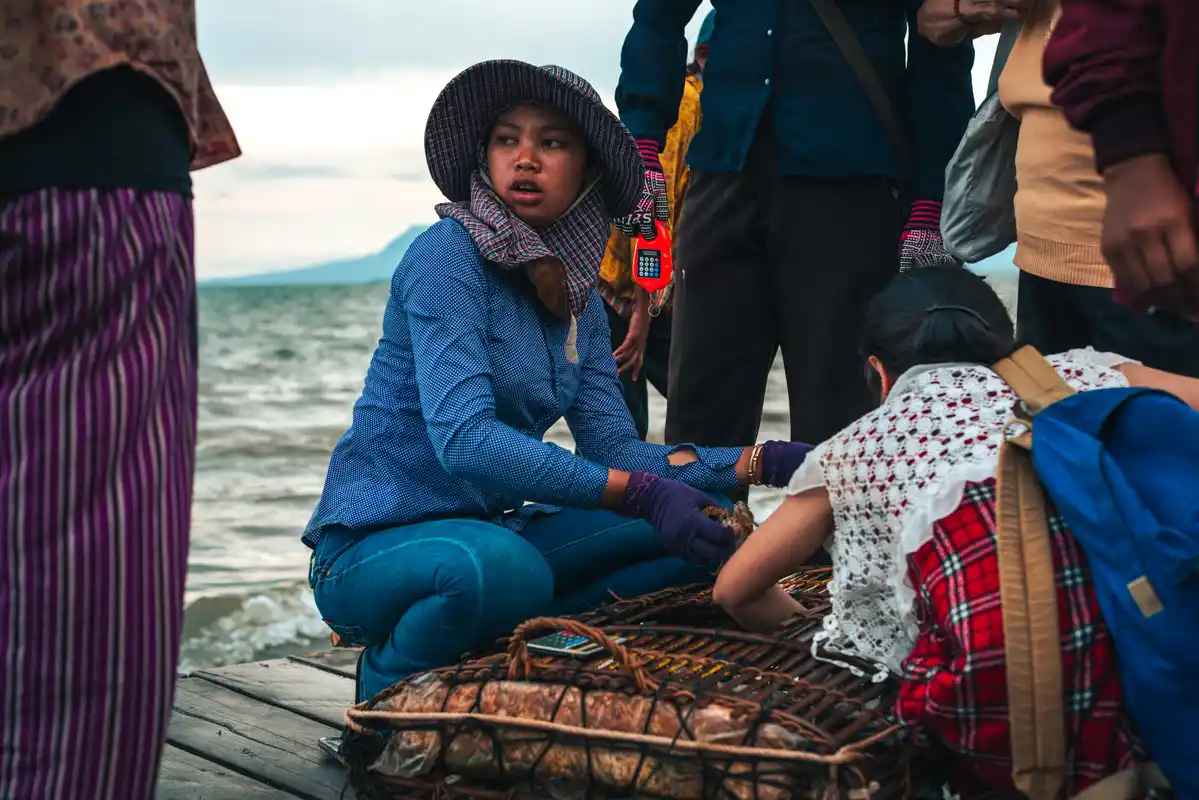
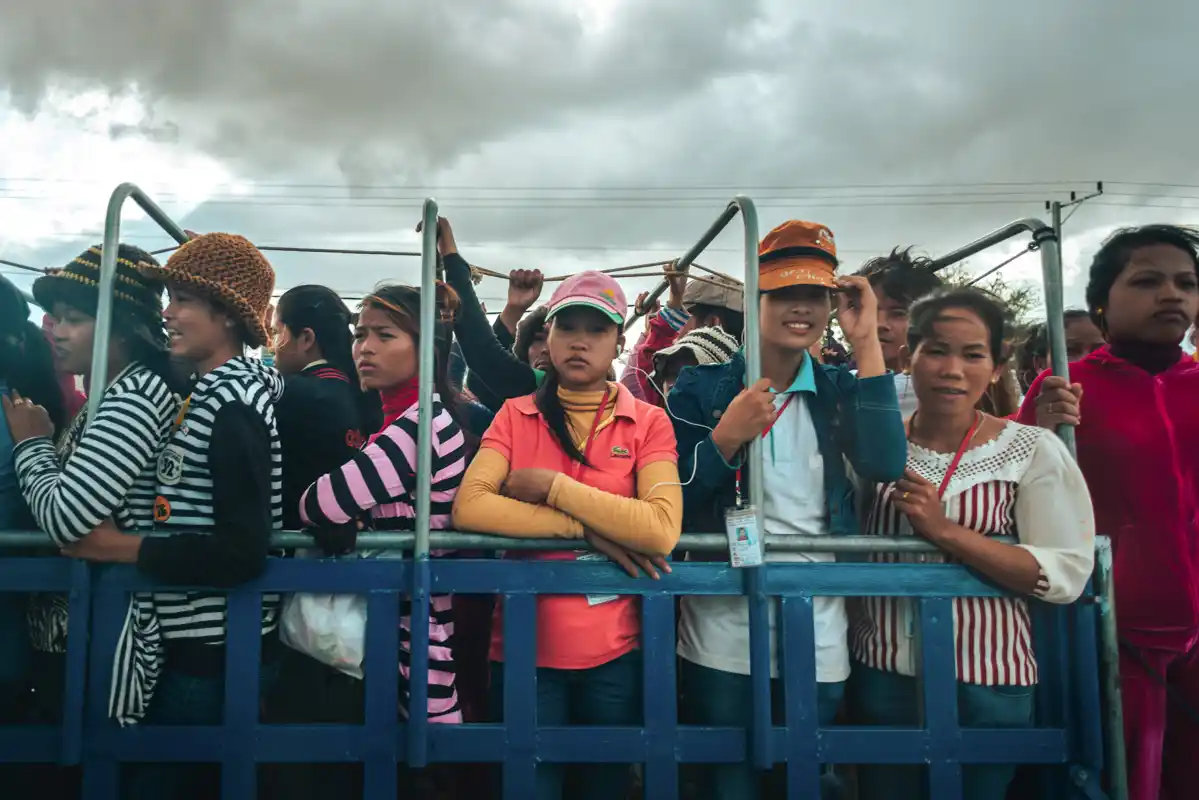
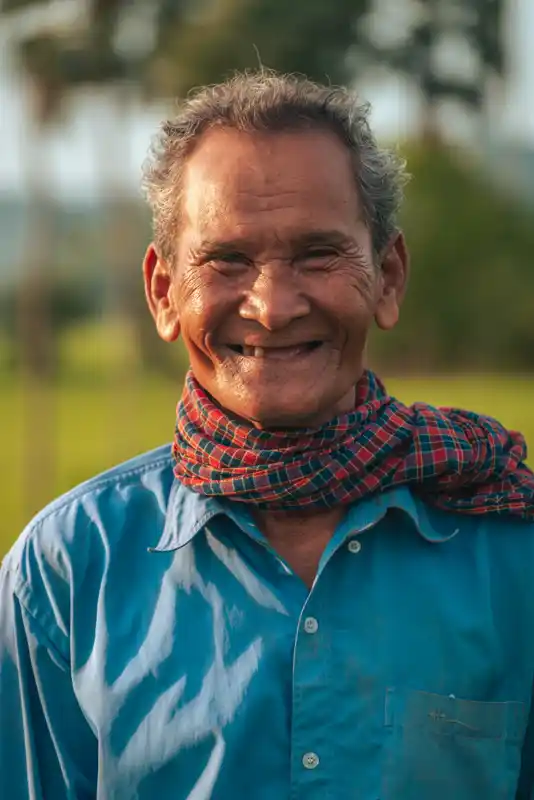
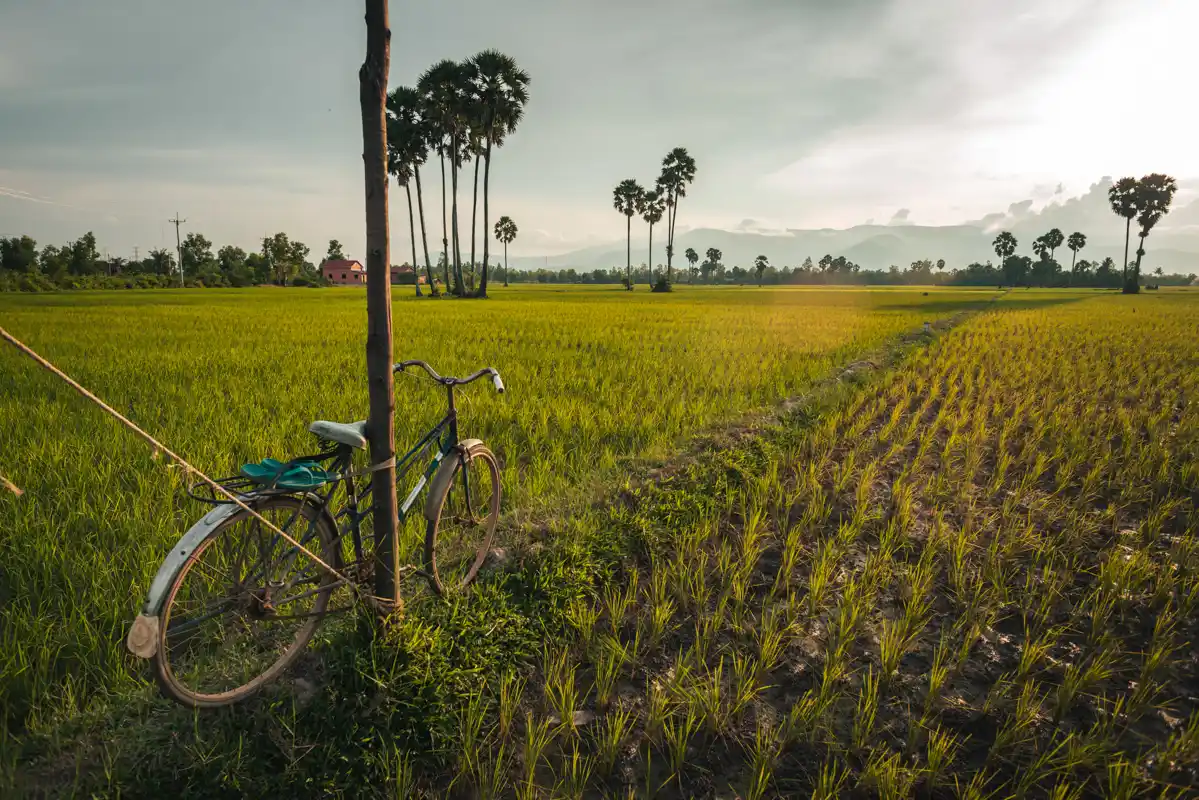
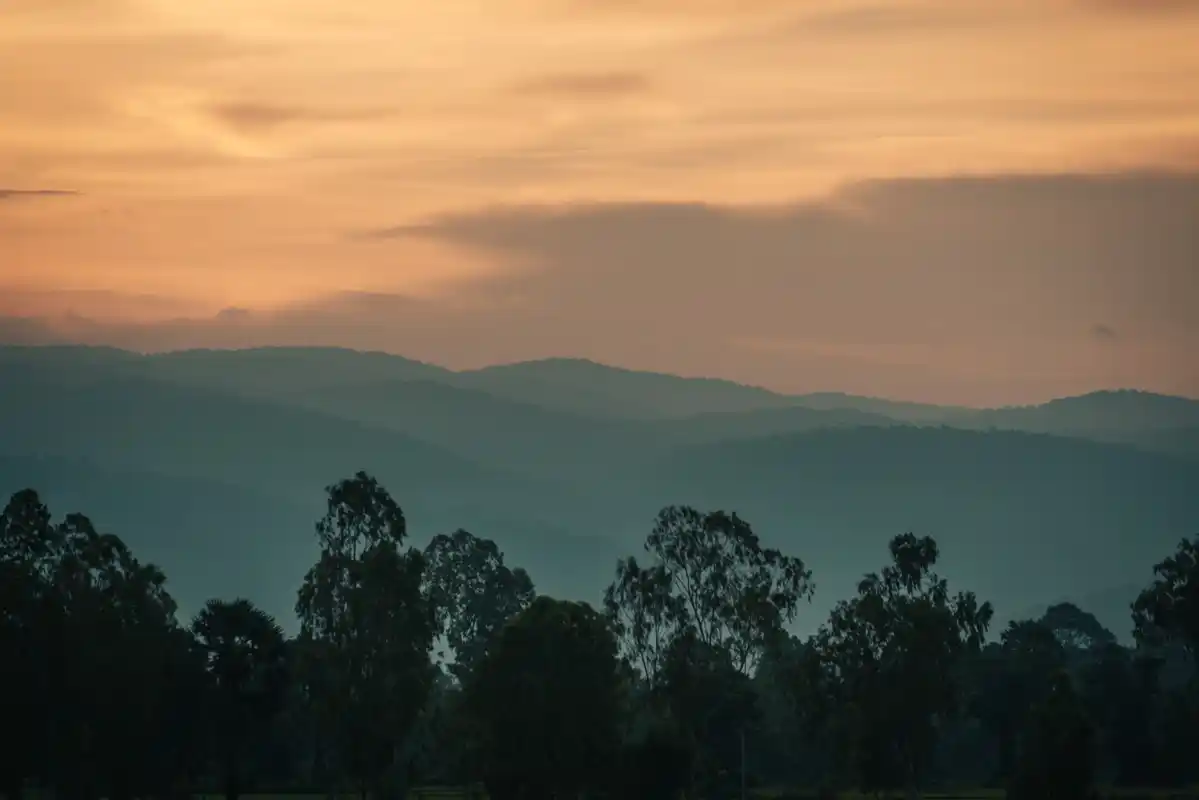
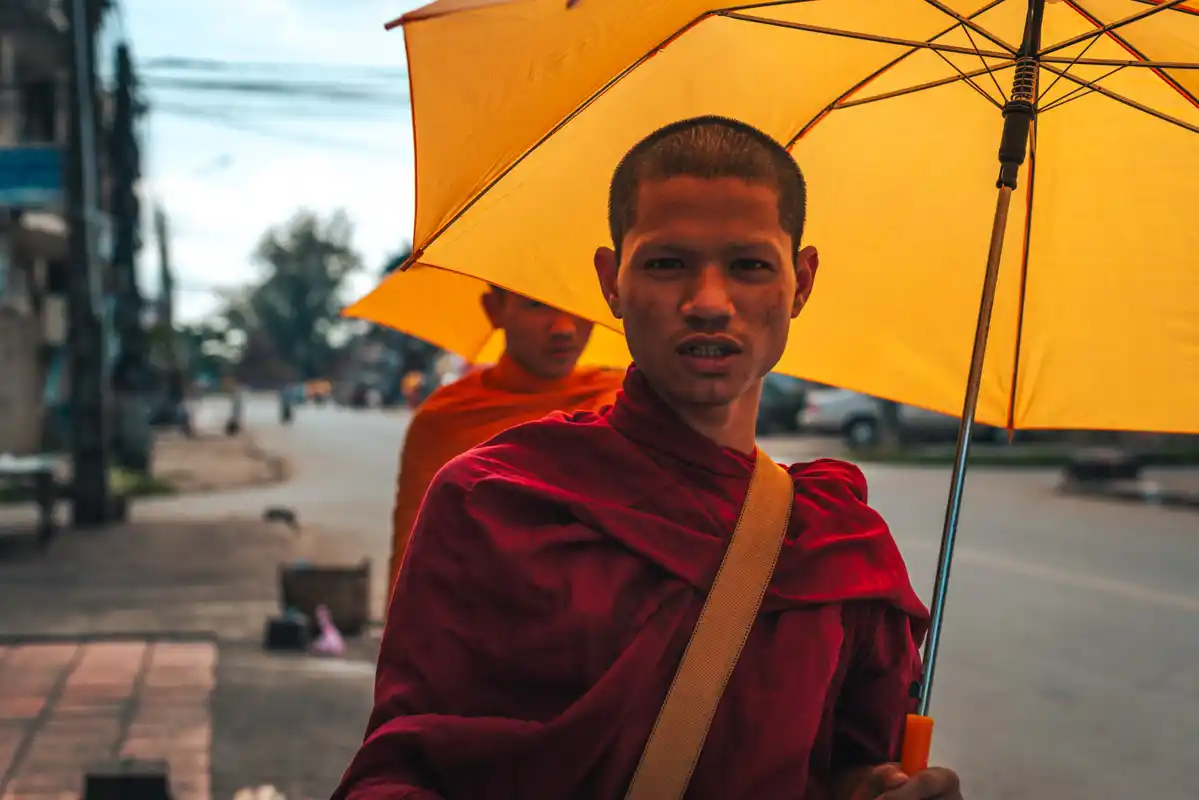
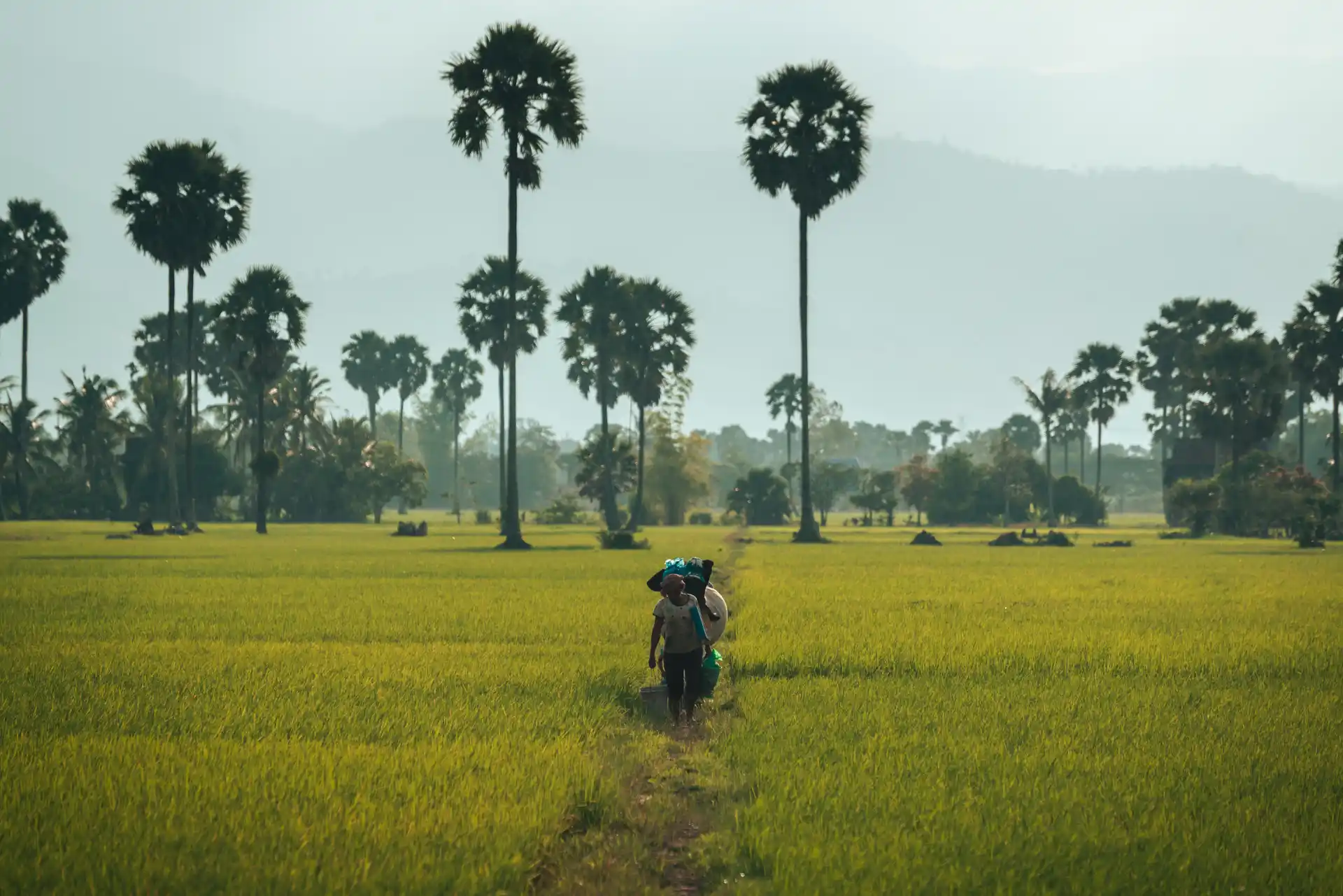
It all wove together almost seamlessly: the poorest part of society — which was nearly everyone in Cambodia — slowly finding its balance again after so much suffering. The scars were obvious. You could feel the distrust, the poverty worn like a way of getting by without drawing attention. The lack of resources in every small town was plain to see, shaped by tradition, by caution. The memory of the nearly two million people killed under the regime may still be holding the country back from real prosperity.
THE END OF THE TRIP
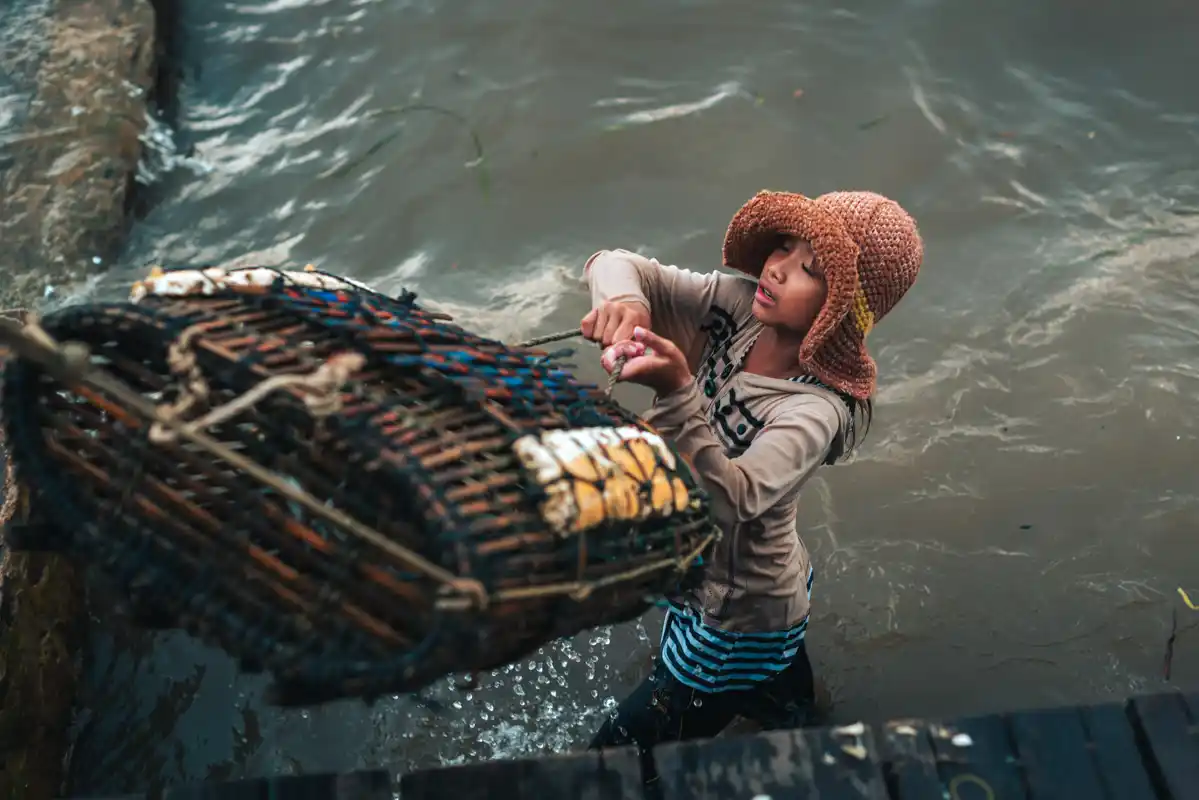
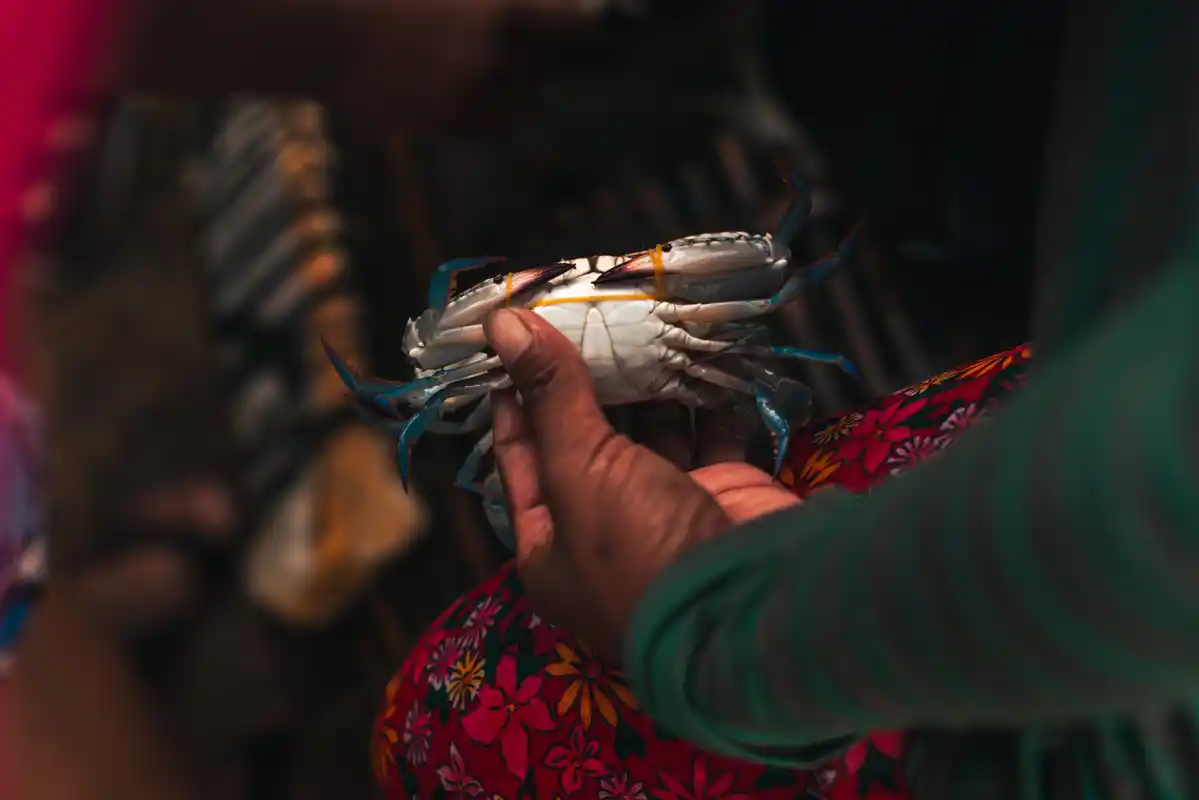
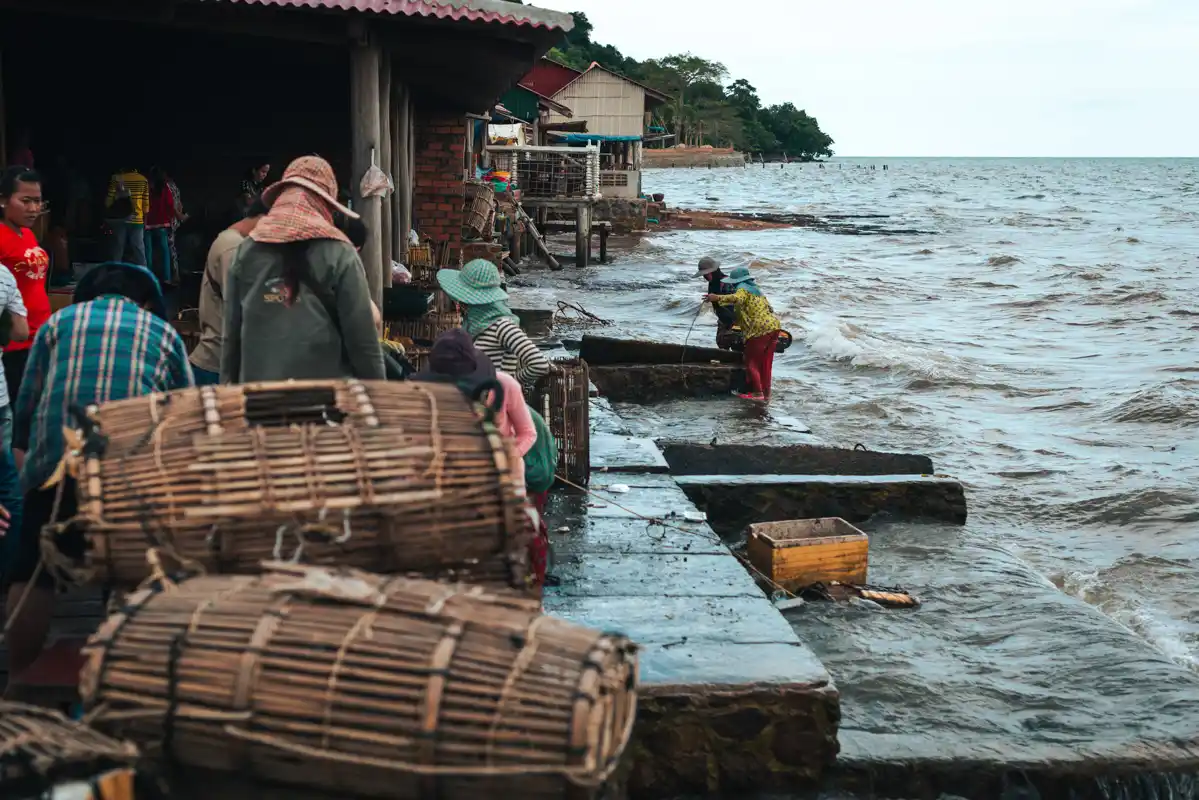
My last stop was Kep, where I found a well-known crab market and spent an entire morning there, camera in hand. It was the final leg of the trip, and I was running low on energy — but for the first time on the whole journey, I felt relaxed, taking in the moment without any rush: watching kids wade into the water to pull up cages full of crabs, families selling them or cooking them right there on the spot.
That’s where my trip through Cambodia ended, after a month of wandering a country whose history is written into its cities and villages, into the character of its people, into its customs. A people who have suffered, who have adapted, and who today use their past to look toward the future with hope.
By Luis Gómez
Oct 20, 2020
Want to know more?
This is only part of the story. If you’re interested in licensing any image or discovering the full story, feel free to get in touch.
I’ll be glad to hear about you.